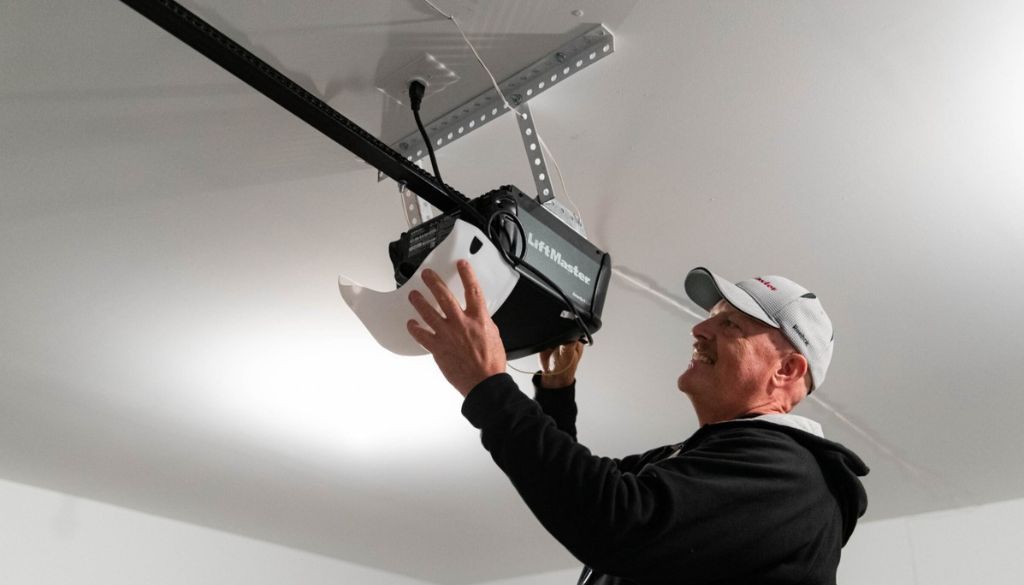
Introduction to Garage Door Installation
Garage door installation involves fitting a new door system that blends functionality with aesthetics to protect your garage space while complementing roller replacement your home's exterior. There are various types of garage doors available, including steel, insulated, wood, and aluminium, each designed to meet different needs and preferences. Installing a new garage door not only improves security but also boosts energy efficiency by enhancing insulation. Additionally, modern garage doors come with advanced automatic openers and safety features that add convenience and peace of mind.
Understanding the benefits and options available helps homeowners and contractors select the right garage door and installation method suited to their requirements, ensuring long-term satisfaction and performance.
Types of Garage Doors Available
Choosing the right type of garage door is fundamental before starting the installation process. Each material and style offers unique advantages:
- Steel Doors: Durable and low-maintenance, steel doors provide excellent security and resistance to weather elements. They often feature steel frame doors with strong reinforcement struts for added strength. Insulated Garage Doors: These doors incorporate insulation foam or other materials to improve thermal efficiency, lowering energy bills and providing noise reduction inside the garage. Wood Garage Doors: Offering a traditional and elegant look, wood doors require regular maintenance like garage door paint to prevent decay and ensure longevity. Aluminium Doors: Lightweight and resistant to rust, aluminium doors are ideal for humid or coastal environments.
The thickness of the door panels and availability of accessories like door seal kits and weather stripping are important factors that impact energy efficiency and weather protection.
Essential Components of a Garage Door System
A garage door system comprises multiple components working together to ensure smooth operation, security, and safety:
- Automatic Opener: The motor unit drives the door's movement, using mechanisms like transmission belts or opener chains. Door Panels: Interconnected panels that form the main structure of the door, attached to hinge pins and roller wheels for seamless movement. Track System: Consists of mounting brackets and tracks guiding the door’s upward and downward motion. Torsion and Extension Springs: Provide counterbalance force to assist in lifting heavy doors securely. Safety cables are often installed for added protection. Cable Drum and Roller Wheels: Aid in smooth and balanced door operation. Garage Door Lock and Reinforcement Strut: Enhance security and structural integrity.
Each component plays a vital role, and correct installation ensures the system’s reliability and longevity.
Garage Door Openers and Controls
The garage door opener system adds convenience and enhanced control to your garage door’s operations. Key elements include:
- Remote Control: Allows wireless door operation from your vehicle or nearby. Wall Console and Keypad Entry: Mounted inside the garage or outside for access control with security codes. Emergency and Manual Release Mechanisms: Enable manual operation during power failures or emergencies. Safety Sensors and Garage Door Sensors: Automatically detect obstacles to prevent accidents. Wiring Harness and Remote Battery: Crucial for electrical connections and ensuring consistent communication between components.
Choosing the right opener gear and electric motor type (chain-driven, belt-driven, or screw-driven) depends on your needs for noise reduction, speed, and durability.
Step-by-Step Garage Door Installation Guide
Installing a garage door requires careful preparation, precise measurements, and following systematic procedures to ensure proper function and safety:
Preparing Your Garage for Installation
Before installing the door panels, the garage area must be ready:
- Level the garage floor to ensure smooth door operation and proper sealing at the threshold. Clear any garage storage items that may obstruct installation or future door movement. Apply weather seal and weather stripping around the garage frame to improve insulation and prevent drafts. Install insulation foam where necessary to enhance thermal efficiency. Attach skid plates if needed to protect the garage floor and door base.
Installation Process
- Align the Garage Frame: Verify the frame is square and plumb to avoid door alignment issues later. Install Door Panels: Begin attaching door panels from the bottom up, securing hinges and reinforcement struts carefully. Attach Springs and Cables: Install torsion or extension springs with accurate tension to balance the door weight. Secure safety cables to prevent spring-related accidents. Mount the Track System: Fix tracks with mounting brackets, ensuring correct angles and alignment for smooth door travel. Install the Opener: Mount the motor unit and connect the wiring harness. Attach opener chain or transmission belt and set up remote controls and wall console. Test Door Balance and Safety Sensors: Perform balance checks to ensure the door stays in place when partially opened. Confirm safety sensors stop and reverse the door upon detecting obstacles.
Safety Considerations During Installation
Safety is paramount when installing a garage door due to the high-tension springs and heavy panels involved. Follow these guidelines to minimise risks:
- Use safety cables with extension springs to prevent dangerous recoil if a spring breaks. Ensure emergency release mechanisms are accessible and functioning correctly to allow manual door operation. Install and test safety sensors to avoid injuries or damage from door closing on objects or people. Wear appropriate protective gear and follow manufacturer’s instructions closely. Utilise noise reduction techniques such as lubricating moving parts and choosing quieter opener types to reduce operational sound.
Maintenance Tips for Installed Garage Doors
Regular maintenance extends the life of your garage door and maintains safe operation:
- Lubricate rollers, hinges, tracks, and springs periodically to reduce friction and noise. Inspect torsion springs for wear and replace them promptly when signs of damage appear. Maintain the automatic opener motor by checking wiring harness connections and replacing remote batteries as needed. Touch up garage door paint to protect against rust and weather damage. Replace door seal kits and weather stripping to maintain energy efficiency. Regularly test door balance and safety sensors for reliable performance.
Professional Garage Door Installation Services vs DIY Installation
Deciding between hiring professionals or doing garage door installation yourself depends on several factors:
- Cost Comparison: DIY installation can save labour costs but requires investment in specialised tools and time. Pros and Cons: Professionals offer experienced knowledge, warranty coverage, and faster completion. DIY projects give you control and potential savings but involve higher risks if untrained. Warranty and Guarantees: Professional installers often provide warranties on parts and workmanship, which DIY projects lack. Tools Required: Proper tools such as spring winding bars, levels, drills, and ladders are essential for safe installation. For complex systems involving torsion springs and automatic openers, professional installation is recommended to comply with safety standards and local regulations.
Evaluate your skill level, budget, and time availability before choosing the best installation route.
Frequently Asked Questions
- How long does garage door installation take?Typically, professional installation takes 3 to 5 hours depending on door size and complexity. Can I install a garage door myself or should I hire a professional?DIY installation is possible for those experienced with tools and safety practices, but professional help is safer and recommended for spring and opener setup. What types of garage doors are best for Australian climates?Insulated steel doors with weather seal kits are ideal for energy efficiency and durability in varying climates. How do I know if my garage door springs need replacement?Signs include uneven door movement, loud noises, or visible wear on springs. What safety features should I look for in a garage door opener?Look for safety sensors, emergency release mechanisms, and auto-reverse functions compliant with current standards. How often should I maintain or service my garage door after installation?Maintenance is recommended every 6 months to a year depending on usage and environmental conditions. What is the average cost of garage door installation in Australia? Costs vary widely from $1000 to $3000 depending on door type, materials, and installation complexity. How can I improve the insulation of my garage door? Consider installing insulated door panels and adding door seal kits and insulation foam along the frame.